








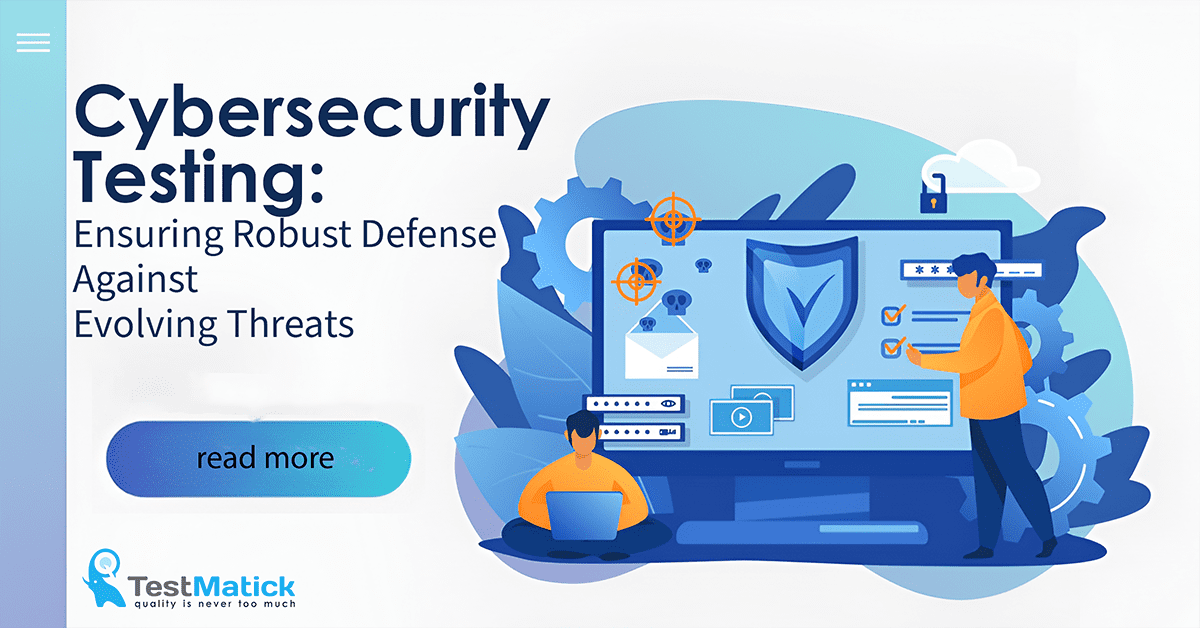
In an era where cyber threats are growing in both frequency and sophistication, the importance of cybersecurity testing cannot be overstated. Every organization, regardless of size or industry, faces the risk of cyberattacks that can compromise sensitive data, disrupt operations, and damage reputations. Cybersecurity testing plays a critical role in identifying vulnerabilities, mitigating risks, and ensuring that systems are prepared to defend against evolving threats. By regularly testing and fortifying their defenses, organizations can adapt to the ever-changing threat landscape and protect their critical assets.
The Importance of Cybersecurity Testing
Cybersecurity testing is essential for ensuring the integrity, confidentiality, and availability of systems and data. As businesses increasingly rely on digital technologies, the attack surface expands, giving cybercriminals more opportunities to exploit weaknesses. Without regular and thorough testing, organizations leave themselves vulnerable to:
- Data breaches: Unauthorized access to sensitive information can result in financial losses, legal penalties, and loss of customer trust.
- Ransomware attacks: Cybercriminals can encrypt critical data and demand payment for its release.
- Service disruptions: Distributed Denial of Service (DDoS) attacks can render systems and websites inaccessible, causing operational downtime.
- Compliance violations: Many industries have strict regulations around data protection, and failing to meet these standards can lead to significant penalties.
For example, proactive measures such as patching vulnerabilities and conducting regular security audits have been proven to significantly reduce the likelihood of successful cyberattacks. Regular cybersecurity testing helps identify vulnerabilities before attackers can exploit them, enabling organizations to implement such measures and stay one step ahead of potential threats.
Key Types of Cybersecurity Testing
Effective cybersecurity testing encompasses a range of techniques to address various aspects of security. Some of the most critical types include:
1. Vulnerability Scanning
This automated process identifies known vulnerabilities in systems, applications, and networks. Vulnerability scanners like Nessus, OpenVAS, and Qualys can quickly highlight weaknesses, such as outdated software or misconfigured settings, that attackers could exploit.
2. Penetration Testing
Penetration testing (or pen testing) involves simulating real-world attacks to identify vulnerabilities that may not be detected by automated tools. Ethical hackers use techniques like SQL injection, cross-site scripting (XSS), and phishing to assess the effectiveness of security measures. Tools like Metasploit and Burp Suite are popular for conducting pen tests, which provide valuable insights into an organization’s true level of preparedness.
3. Security Code Reviews
Analyzing the source code of applications helps identify potential vulnerabilities, such as insecure coding practices or backdoors. Static Application Security Testing (SAST) tools like SonarQube and Checkmarx are commonly used for this purpose, ensuring that software is secure from the ground up.
4. Configuration Testing
Configuration errors, such as default credentials or overly permissive settings, can expose systems to attacks. Configuration testing ensures that systems adhere to security best practices and are hardened against threats.
5. Social Engineering Testing
Humans are often the weakest link in cybersecurity. Social engineering tests, such as phishing simulations, assess how employees respond to attempts to trick them into revealing sensitive information or granting unauthorized access. For example, a phishing simulation might involve sending employees an email mimicking a legitimate request to reset their password. The results of such tests can highlight areas where additional training is needed.
6. Red Teaming
A red team exercise is a comprehensive and realistic simulation of a cyberattack. It involves a team of ethical hackers (the red team) attempting to breach an organization’s defenses while the internal security team (the blue team) works to detect and mitigate the attack. These exercises provide invaluable insights into an organization’s readiness and response capabilities.
Latest Tools for Cybersecurity Testing
The cybersecurity landscape is constantly evolving, and staying protected requires leveraging the latest tools and technologies. Here are some of the most effective tools for cybersecurity testing:
1. AI-Powered Threat Detection
Artificial intelligence (AI) is transforming cybersecurity testing by enabling faster and more accurate threat detection. Tools like Darktrace and Cylance use machine learning to analyze network traffic, identify anomalies, and detect potential threats in real time. For instance, AI can pinpoint unusual patterns in data flows that might indicate a breach, allowing teams to act swiftly.
2. Cloud Security Tools
With the rise of cloud computing, tools like Prisma Cloud and AWS Inspector are essential for securing cloud environments. These tools provide visibility into cloud configurations, detect vulnerabilities, and enforce compliance with security policies.
3. Dynamic Application Security Testing (DAST)
DAST tools, such as OWASP ZAP and Acunetix, scan running applications for vulnerabilities like SQL injection and XSS. These tools are crucial for identifying weaknesses in web applications and APIs, helping organizations secure their digital interfaces.
4. Endpoint Detection and Response (EDR)
EDR tools like CrowdStrike Falcon and Carbon Black provide advanced threat detection and response capabilities for endpoints. These tools help organizations detect and respond to malware, ransomware, and other endpoint threats, ensuring comprehensive protection.
5. SIEM and SOAR Platforms
Security Information and Event Management (SIEM) and Security Orchestration, Automation, and Response (SOAR) platforms, such as Splunk and IBM QRadar, aggregate and analyze security data from multiple sources. These tools help organizations detect and respond to threats more effectively by providing a unified view of security events.
Best Practices for Cybersecurity Testing
To maximize the effectiveness of cybersecurity testing, organizations should follow these best practices:
- Test regularly: Cyber threats are constantly evolving, so testing should be conducted on an ongoing basis, not just as a one-time effort.
- Adopt a layered approach: Combine multiple types of testing to address different aspects of security.
- Involve stakeholders: Security is a shared responsibility. Ensure that IT, development, and management teams are all involved in the testing process.
- Educate employees: Provide regular training to employees on recognizing and responding to cyber threats. For example, training sessions on spotting phishing emails can significantly reduce successful attacks.
- Use threat intelligence: Leverage threat intelligence feeds to stay informed about emerging threats and adapt testing strategies accordingly.
Conclusion
Cybersecurity testing is a vital component of any organization’s defense strategy. As cyber threats continue to evolve, so must the tools and techniques used to combat them. By implementing regular testing, leveraging the latest technologies, and fostering a culture of security awareness, organizations can protect their digital assets and maintain trust with their customers. In today’s digital landscape, robust cybersecurity testing is not just an option — it’s a necessity. By staying vigilant and proactive, organizations can safeguard their systems against even the most sophisticated cyber threats and ensure long-term security.


gg